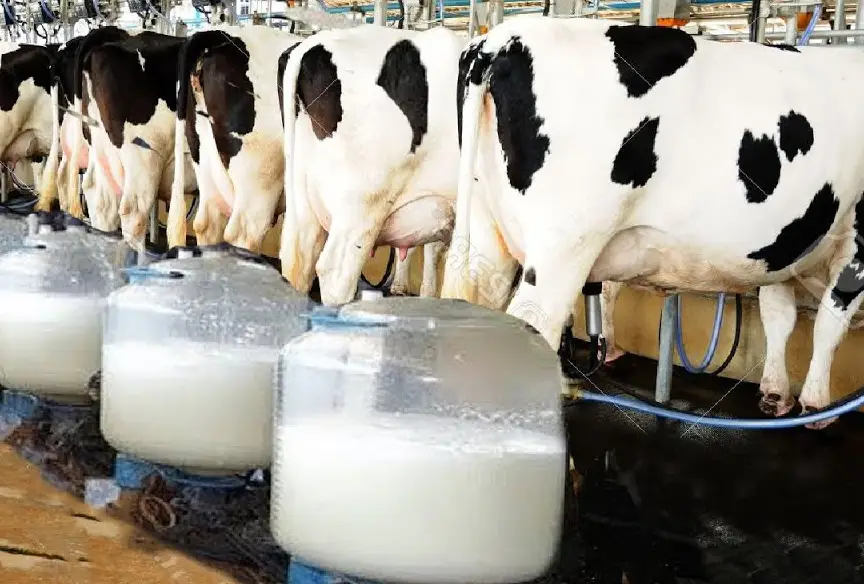
Livestock marts have been a cornerstone of Ireland’s agricultural heritage for centuries. These vibrant hubs—where cattle, sheep, pigs, and other animals are traded—do more than just facilitate the buying and selling of livestock; they serve as vital centres for rural communities, fostering human connection, economic activity, and regulatory compliance. In this article, we explore how traditional marts are adapting to the 21st century through digital transformation, modern infrastructure, and evolving regulations—supported by authoritative resources from Agrielectric and the Department of Agriculture, Food and the Marine (DAFM).
1. Marts Under the Regulatory Microscope
To operate legally, every livestock mart needs a licence from the Department. Under the Livestock Mart Licence Application, marts must maintain high standards:
They must implement strict cleaning, disinfection, animal welfare measures, identification protocols, and staff training—including documenting time, date, and location of routines—to preserve traceability General licence conditions (such as segregation, pest control, and staff competence) are detailed under the General Conditions of Licence to Operate
2. Animal Identification and Traceability
All cattle, sheep, and other livestock must be tagged, registered, and tracked through life. The AIM (Animal Identification and Movement) system is the official platform where these movements, births, and deaths are recorded Online integration—via DAFM guidance—ensures that essential documentation (such as the date, time, origin, and destination of animal transport) is captured and stored accurately
3. Transporting Animals Responsibly
The regulation called Transport of Live Animals demands that mart staff and transporters hold certificates of competence, ensuring animal welfare throughout transit. Records of animal fitness, journey times, rest periods, and handler qualifications—tagged with time, day, and location—are legally required
4. Hybrid Marts: Digital + In‑Person
The COVID‑19 pandemic dramatically accelerated the shift to online trading. In October 2020, DAFM officially announced that livestock marts would continue via online-only sales platforms. These platforms—such as MartBids—enabled livestreamed auctions complete with real-time bidding By spring 2021, in-person buyers were slowly reintroduced under strict guidelines. On 17 May, Minister McConalogue confirmed mart rings would reopen with blended online and in-ring access under COVID‑protocols In January 2022, social distancing rules were fully lifted in marts, although masks remained mandatory—marking a move towards a long-term hybrid market model
5. Community Support and Social Value
Marts are more than just market venues; they are communal spaces. As one rural commentator noted, marts functioned “like the nightclub for young people… a social outlet” during COVID‑19 closures, highlighting their central role in rural Ireland :contentReference[oaicite:10]{index=10}. They continue to foster social interaction, livestock expertise, and shared farming culture.
6. Technology & Innovation: The Agrielectric Edge
Technological innovation is enhancing mart services and energy efficiency. Agrielectric specialises in off-grid solar, generator backups, and energy-efficient lighting—ideal for marts operating at odd hours or during peak seasons.
Whether powering livestream auctions or enabling remote weighbridges, Agrielectric’s renewable solutions reduce operating costs and carbon footprints, while ensuring uninterrupted power for mart infrastructure.
7. Keeping Up with Market Data
Farmers Forum supplements this with live mart streaming and regional schedules :contentReference[oaicite:12]{index=12}. Their archive of mart reports provides insights by county and date—enabling benchmarking and forecasting.
Industry portals such as Agriland’s Cattle & Sheep Marts directory offer comprehensive tools to track livemart events, livestreams, marts report, and price updates.
8. Funding & Infrastructure Support
DAFM’s ICT Infrastructure Scheme encourages marts to invest in digital upgrades—such as livestream tech, digital signage, and automated systems—supporting compliance and transparency :contentReference[oaicite:14]{index=14}. Meanwhile, grants under the Targeted Agriculture Modernisation Schemes (TAMS) help fund modern weighbridges, welfare pens, and perimeter fencing.
The future of marts is a synergy of tradition and technology. Key trends include:
• Energy resilience: Solar power and backup systems from Agrielectric ensure uninterrupted operations. • Hybrid selling: Combining livestream and in-person sales to maximize reach. • Traceability: Continued digital integration via AIM, TRACES, and mart ICT systems. • Community resilience: Marts supported by government protocols and local engagement, reinforcing their role in rural wellbeing.
10. What You Should Do
If you’re a mart operator, farmer, or stakeholder:
• Review DAFM’s licence and ICT requirements. • Ensure your staff are trained and certified under transport and mart regulations. • Adopt energy-efficient solutions via providers like Agrielectric. • Engage with digital mart platforms (e.g. Agriland, Farmers Forum, MartBids). • Prioritise animal welfare, traceability, and community respect.
Irish livestock marts are at a crossroads of heritage and modernity. They remain essential to rural livelihoods and community life, while embracing digital tools, traceability systems, and sustainable infrastructure. Supported by authoritative Agrielectric solutions and grounded in strong government regulation, the mart sector is primed for a future that celebrates its past while adapting to global challenges—be it energy security, disease resilience, or expanding market access.