
Rural energy providers in Ireland play a foundational role in supporting the modern agribusiness sector, where energy reliability and sustainability are vital to productivity. From running ventilation and water systems to powering cold storage units and robotic milking machines, energy usage in agriculture is both high and highly time-sensitive. Today, the focus is not only on securing electricity at competitive rates but also on adopting green power for farms through solar and other renewable sources.
Ireland’s farming community can choose from a variety of agribusiness electricity solutions offered by suppliers like Electric Ireland, Energia, SSE Airtricity, Bord Gáis Energy, and Flogas. These companies typically offer special contracts for agricultural operations, such as off-peak pricing and dual-rate meters to reflect seasonal and daily energy needs. A farm-focused energy provider like AgriElectric.ie provides tailored services for farms with expert knowledge of energy consumption patterns in the agricultural sector.
Governmental support for solar electricity for agriculture has increased as part of Ireland’s commitment to carbon reduction and rural development. Through programs overseen by the Sustainable Energy Authority of Ireland (SEAI), farmers can access funding for photovoltaic (PV) systems, heat pumps, and other energy-saving technologies. The Support Scheme for Renewable Heat (SSRH) and micro-generation grants aim to make green energy solutions more affordable and widespread on Irish farms.
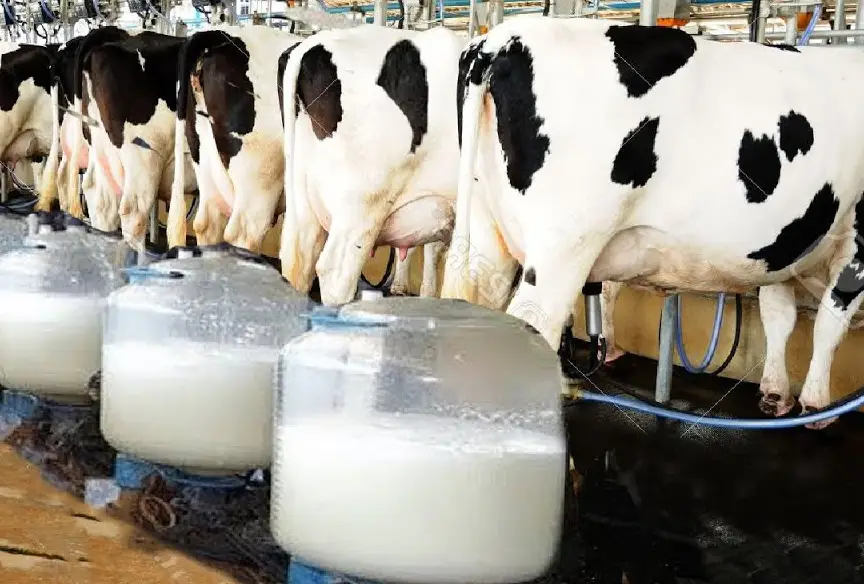
Financial supports are also available through the Targeted Agricultural Modernisation Schemes (TAMS), offered by the Department of Agriculture, Food and the Marine. These grants help fund infrastructure and equipment improvements that reduce energy costs, such as efficient lighting systems and renewable power installations. For example, many dairy and poultry farms are now installing rooftop solar panels to offset grid consumption and manage long-term costs.
Beyond individual investment, there is growing interest in collective action, such as farm co-operatives investing in community-scale renewable projects. Organizations like the Irish Farmers’ Association (IFA) are advocating for better connectivity between farms and the energy grid, as well as fair compensation for energy exported by micro-generators.
Grid capacity remains an ongoing challenge in rural Ireland. Many regions lack the infrastructure necessary to efficiently absorb distributed renewable generation. The national grid operator, EirGrid, is working with energy policy agencies to modernize and reinforce connections, especially in areas with high potential for farm-based green electricity production.
The Climate Action Plan 2024 outlines Ireland’s strategy to decarbonize all sectors, including agriculture, by promoting clean energy generation and improving energy efficiency. According to the Department of the Environment, Climate and Communications, simplifying access to grid connection and financial supports for farmers is a national priority.
As these farm energy schemes become more accessible, the future of rural electricity use in Ireland will involve a mix of traditional supply and self-generation. More farms will move toward becoming both consumers and contributors to the national electricity network, playing a direct role in Ireland’s transition to a low-carbon economy.
For farms looking to reduce their energy bills and carbon footprint with dedicated support, AgriElectric.ie provides customized electricity packages and renewable integration services for Irish agriculture.
